Teflon
Is Teflon toxic?
We have all heard about it – but is Teflon really as harmful as people say? We get to the bottom of the question and look at the most common opinions.
What is Teflon?
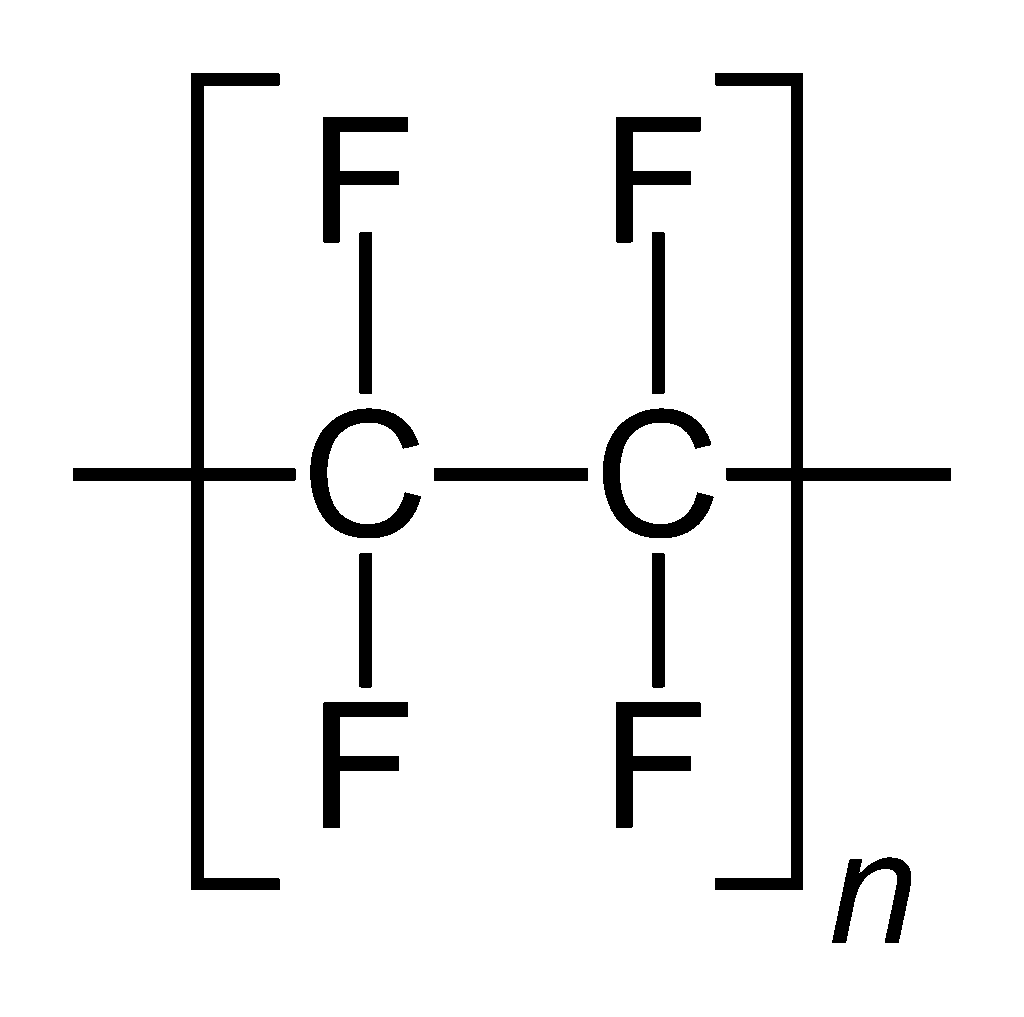
Teflon is a synthetic polymer, in other words a plastic. Also called PTFE, the material is known for its non-stick properties. Discovered by the chemist Roy Plunkett, it made a name for itself in pans, cookware and even as a coating for clothing.
Since (environmental) sustainability is RePan’s first priority, we did a lot of research and talked to experts. Our conclusion: Teflon’s toxicity is a myth – but one with a history.
1. The history
How Teflon pans are made
PTFE-coated pans have been used daily all over the world since 1955. Those were different times – and that is where the rumour that Teflon is harmful comes from.
Imagine a material that hardly sticks to anything and resists oil, water, acids and alkalis, even when hot. How do you attach it to another material, let alone metal? Exactly: with a lot of chemistry.
2. The toxicity
PFOA, GenX, APEO – the culprits
It wasn’t the material itself that was toxic, but the processing aids used back then. Perfluorooctanoic acid (PFOA), for example, used to be a key ingredient in making Teflon. It has long been banned in Europe. PFOA and similar substances are not only harmful to health or carcinogenic, they were also discharged directly into rivers (as told in the film “Dark Waters”, 2019).
Today, Teflon pans are made by building up layers step by step with strictly tested processing aids that are much easier to filter out.
“PTFE is harmless. Even if scraped-off flakes get into food and are swallowed, that is not a problem. They don’t react in the body and are simply excreted.”

Prof. Dr Thomas Vilgis
Physicist at the Max Planck Institute for Polymer Research, Mainz
Drawbacks
PTFE has weaknesses too – nothing serious
Overheating and Teflon fumes
Table salt is more toxic than Teflon
Impact on the environment
2 g of coating instead of 1 kg of metal
Alternatives
Teflon compared
Stainless steel
“Ceramic”
Cast iron
Enamel
Teflon
Conclusion
Recoat instead of throwing away
For most kitchens, PTFE is the most practical coating. And when it wears out, the pan doesn’t have to go in the bin: we recoat it, with a coating free from PFOA, APEO, GenX and BPA. Makes sense, right?
Frequently asked questions
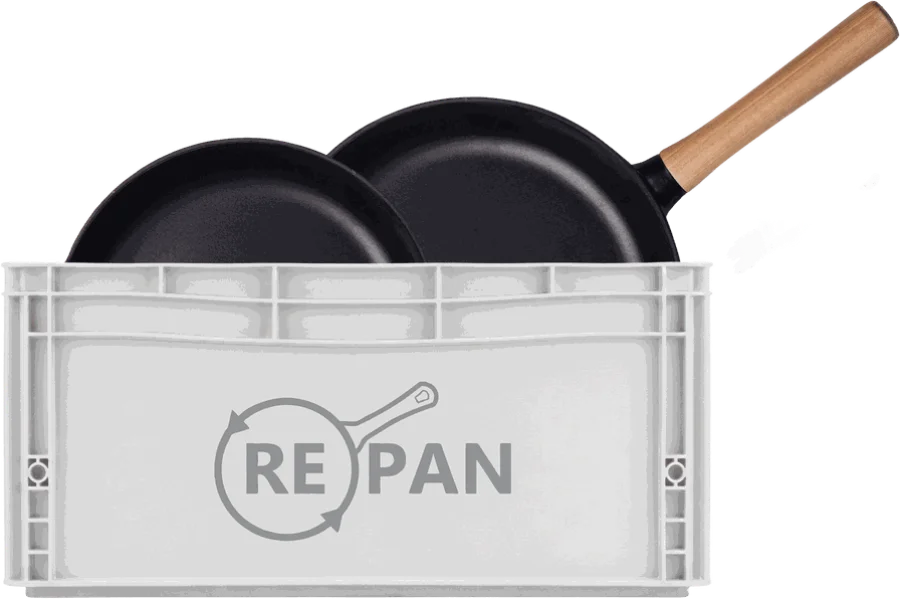
Reusable box
The most convenient way to recoat
We send you a prepaid reusable box. Fill it with everything that needs recoating and simply leave the box at your front door.
Request a box