Pan test 2025
Finding the right pan
We screened the Swiss pan market and analysed more than 450 models. With the right pan, you cook better, healthier, more efficiently and with more joy.
What matters
Stainless steel, cast iron, Teflon, induction-ready – or ceramic after all? The choice is overwhelming. To help you keep track, we compare the key criteria: construction, coating, hob type and your personal preferences.
Construction types
What’s under the coating
From simple sheet metal to multi-ply: the construction decides how evenly a pan heats and how long it lasts. More background in Pan knowledge.
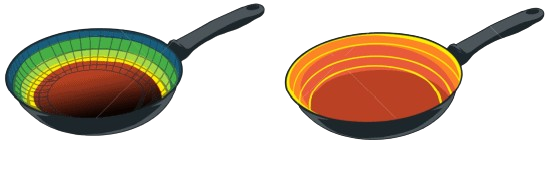
1. Simple sheet metal pan
- Pro: cheap
- Cons: uneven heat makes it age faster, warps quickly, poor coating adhesion, handles come loose
2. Aluminium with induction base
- Pros: good heat conduction, light
- Pressed: perforated plate underneath, often unreliable on induction
- Cast-in: better contact, but often a weak point of the coating
3. Sandwich base
- Several metal layers in the base
- Very good heat distribution, robust
- Con: the fused plate tends to come off on powerful professional induction hobs
4. Encapsulated base
- The heat-conducting core is fully enclosed
- Durable and effective on all hob types
5. Multi-ply
- The whole pan is made of 3, 5 or even 7 metal layers
- Premium quality with even heat, popular in professional kitchens
Coatings
Non-stick or not?
Uncoated stainless steel
- Robust and dishwasher-safe
- Takes cooking skill, no non-stick effect
Cast iron with patina
- Naturally non-stick once seasoned
- Very durable, but heavy and high-maintenance
Enamel
- Hard and resistant, known from baking trays
- Barely non-stick, unsuitable for frying
PTFE (e.g. Teflon)
- Excellent non-stick effect
- Not scratch-resistant, no metal utensils
- Dishwasher-safe
“Ceramic”
- Sounds eco-friendly, but is based on silicone oils
- The non-stick effect fades faster, especially in the dishwasher
- Questionable for the environment
Hob types
Which pan for which hob?
Induction
Gas
Ceramic and electric
Preferences
What suits you
Shape and size
- Flat pans for frying
- Deep pans such as sauté pans or woks for stews and curries
- Ø 24 cm for singles, Ø 28 cm and up for families
Storage and handling
- No metal utensils in coated pans, every scratch speeds up ageing
- Use stacking protectors or hang the pans up
- Don’t quench hot pans in cold water
Material and hob
- Cast iron: suitable for everything, as long as it’s hot
- Cast aluminium: all-rounder, but check induction compatibility
- Stainless steel: light, but when coated not suitable for gas hobs
Frequently asked questions
Conclusion
The perfect pan depends on you
Pro or beginner: the best pan depends on your hob, your cooking habits and your standards. Our test shows:
- Sturdy pans that are more than just sheet metal
- Teflon for everyday cooking and easy cleaning
- Cast iron or coated multi-ply for lasting performance
In the shop you’ll find recoated pans from more than 450 tested models.
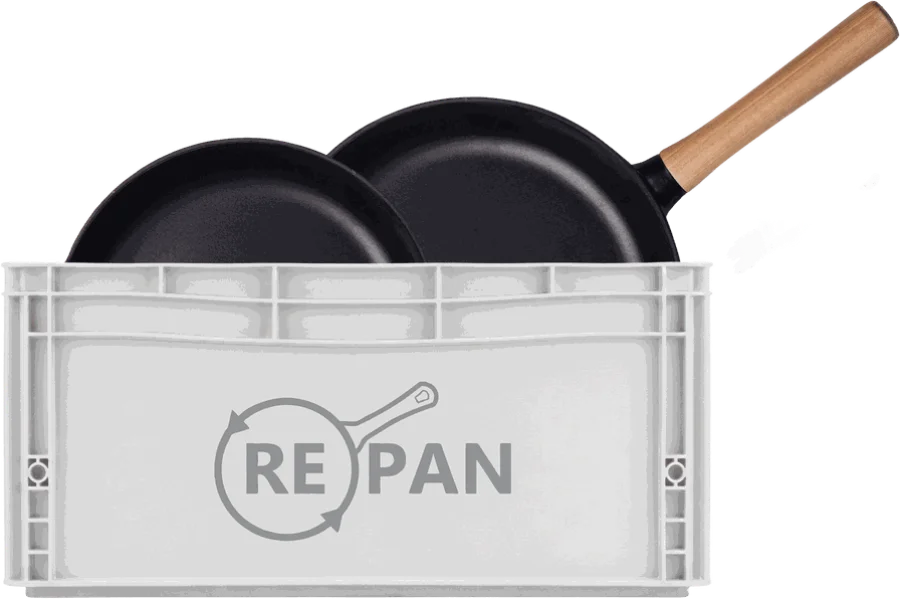
Reusable box
The most convenient way to recoat
We send you a prepaid reusable box. Fill it with everything that needs recoating and simply leave the box at your front door.
Request a box